



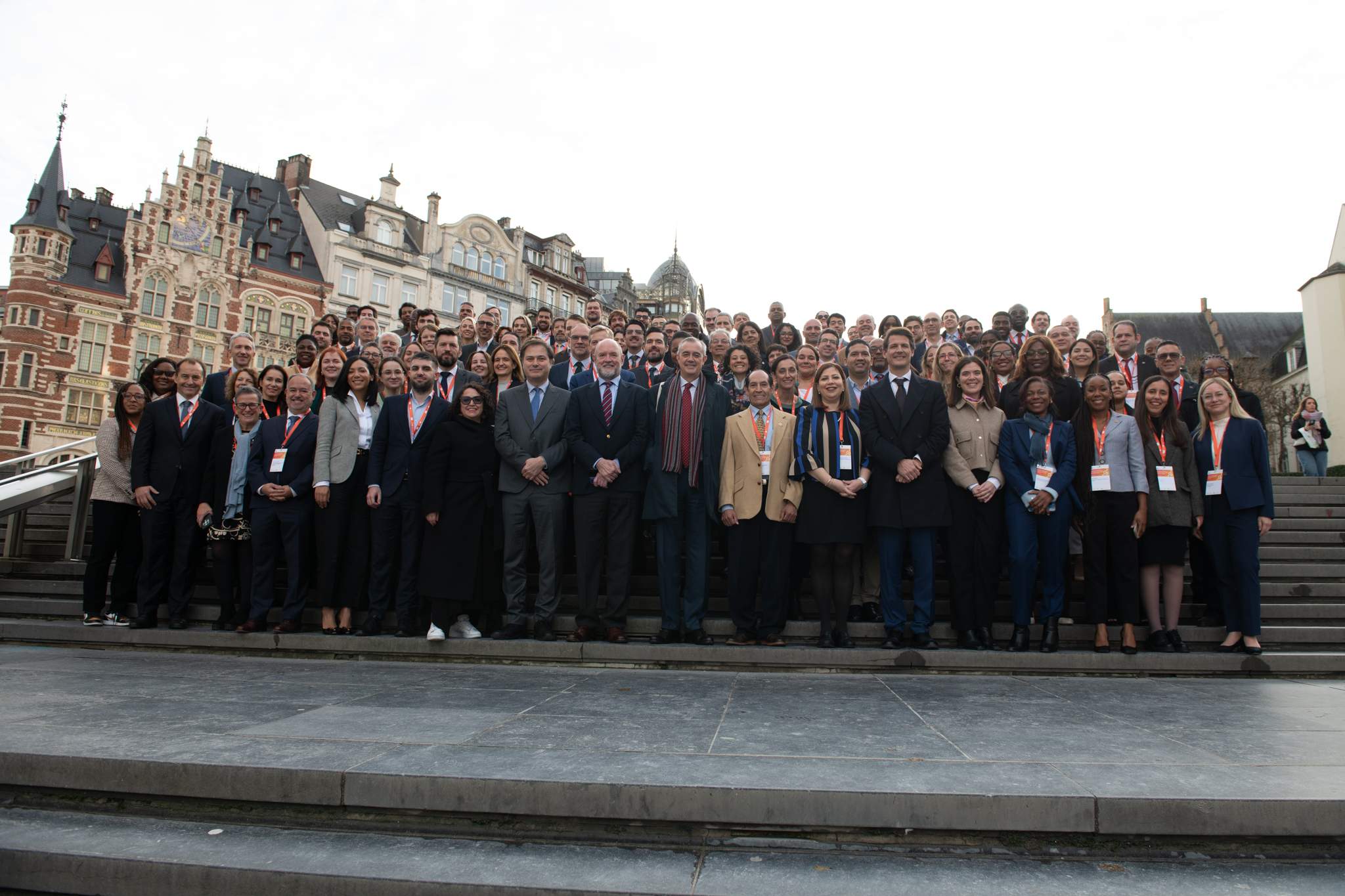
Representatives of 42 National Drug Agencies from Latin America, the Caribbean and the European Union took part in a high-level biregional meeting with EU institutions held in Brussels from 9 to 11 December, in the framework of the EU–CELAC Mechanism on Drugs and the COPOLAD III programme.
During the sessions, both regions addressed four shared priorities:
• The future development of COPOLAD III
• Alternatives to the growing violence associated with illicit drug markets
• Strengthening public health and harm-reduction policies
• Biregional cooperation on chemical precursors and new synthetic threats
Both Olivier LUYCKX from INTPA and Borja Díaz Rivillas, the Programme Director, highlighted the relevance of the current moment. “The drug context has worsened, affecting health and security. The COPOLAD III Programme is more important than ever.”
Joan Margarita CEDANO, Ambassador of the Mission to the EU and CELAC Co-Chair of the EU–CELAC Mechanism, stated:“Our joint approach must be guided by shared responsibility across supply, demand and structural factors, and by cooperation understood as a mutual endeavour.”
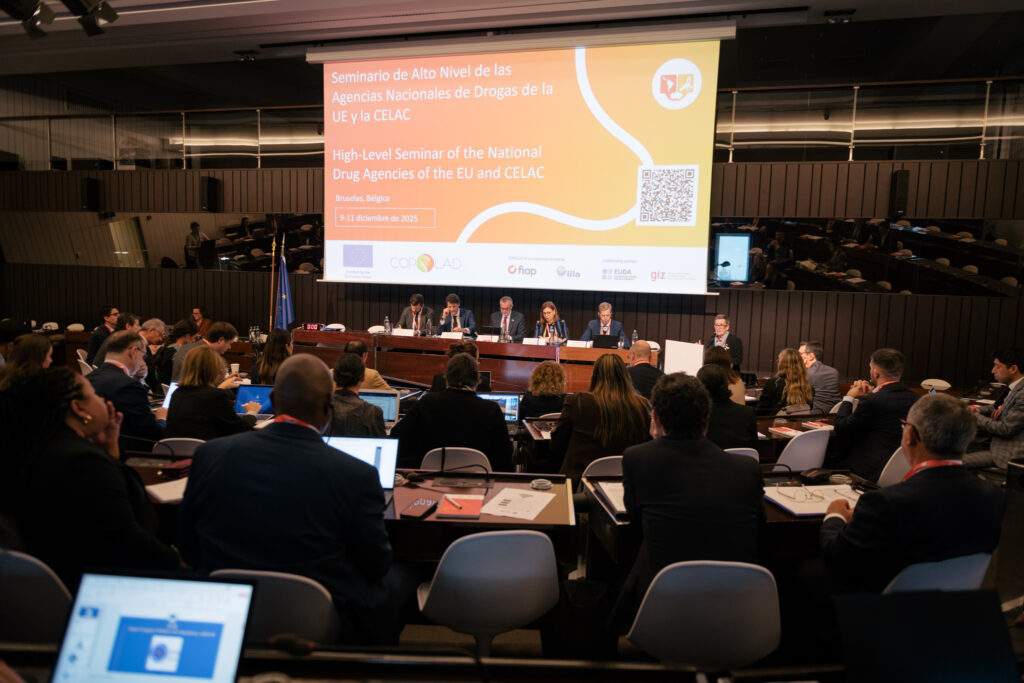
The meeting included a dialogue with the European Drug Agency (EUDA) and a working session with EU institutions to review the policy and cooperation tools available to address the global challenges of drug trafficking.
Among the institutions present at this meeting were the Directorate General for International Partnerships (DGINTPA), the European External Action Service, the Secretariat of the Council of the EU, the Foreign Policy Instruments Service, as well as the Secretariat of the European Parliament and the EU Directorate-General for Home Affairs (DGHome).
On 11 December, delegations participated in the Technical Committee of the EU–CELAC Mechanism, followed by an intra-CELAC meeting focused on common priorities and coordination for 2026. They also held a discussion with the National Drug Commissioner of the Kingdom of Belgium on asset management and public policies in areas affected by organised crime.
Regional agencies reaffirmed their commitment to a renewed biregional roadmap aimed at comprehensive responses in security, public health, prevention and international cooperation.